















Visual Field Test: Questions and Answers

1. What Is a Visual Field Test and How Is It Performed?
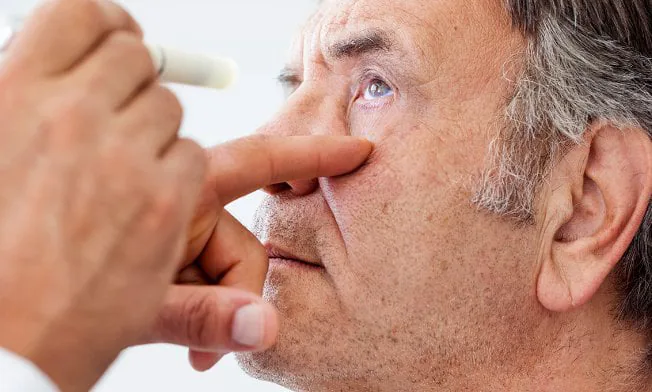
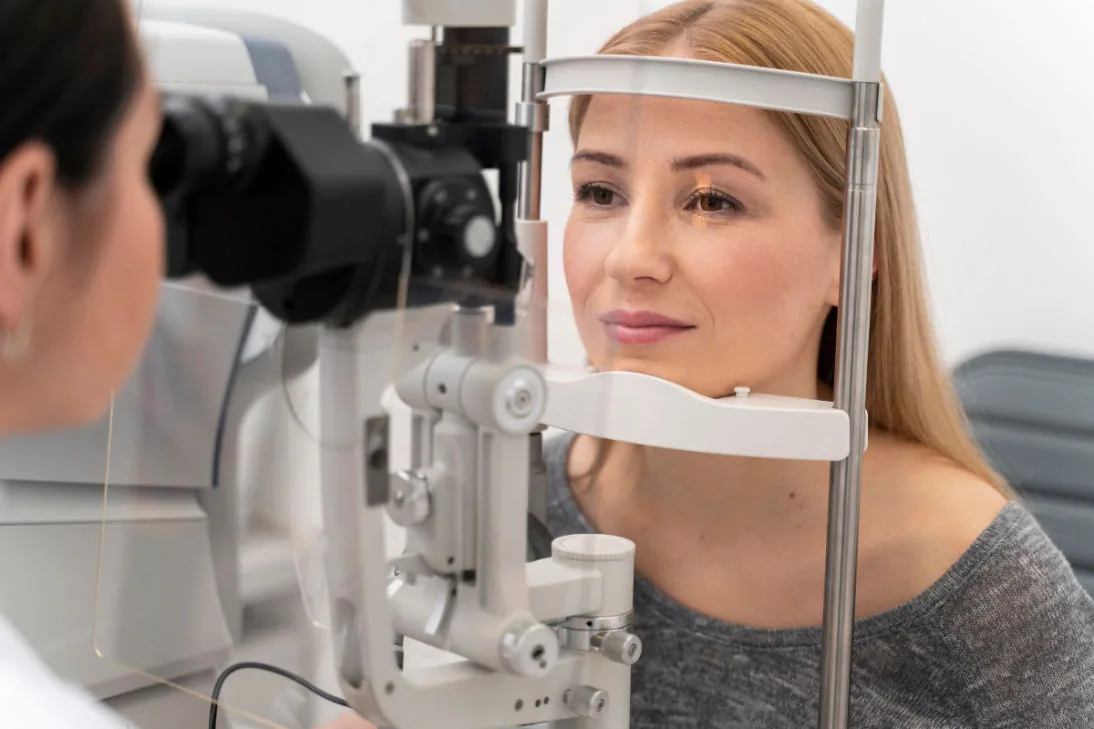
A visual field test is performed to check your eye health. It measures how far you can see in every direction. During the test, a series of colored lights or dots
are shown. By pressing a button when you see something, or by following a line that indicates where you are looking, it is possible to measure the extent of your visual field.
2. Why Is a Visual Field Test Important, and What Are Its Benefits?
Visual field tests are important for diagnosing and treating eye diseases early. They are used to detect problems such as vision loss. They can also help catch serious eye diseases such as glaucoma at an early stage. Visual field tests can prevent vision loss in people with eye conditions and improve their quality of life.
3. In Which Situations Should a Visual Field Test Be Performed?
Visual field tests should be performed in people who have any eye condition, glaucoma, diabetes, or hypertension. Older adults and people with a family history of eye conditions should also have regular visual field tests. A visual field test may also be needed in any suspicious situation, such as vision loss, headache, injury, or a tumor.
4. How Are Visual Field Test Results Interpreted?
Visual field test results are first interpreted by the doctor who performed the test. The results show the extent of your visual field and whether there is any problem. A normal visual field test result indicates there is no vision loss or other issue. However, even when results are normal, some patients may still have an underlying problem, and doctors may order further tests for a more detailed evaluation.
5. Which Eye Diseases Are Diagnosed with Visual Field Tests?
Visual field tests are used for the early diagnosis of many eye diseases. These include conditions such as glaucoma, retinal diseases, tumors, and brain damage. Glaucoma in particular can cause progressive, permanent vision loss if not diagnosed early. This is why it is important to have regular visual field tests.
6. How Is a Visual Field Test Performed, and How Should You Prepare?
During a visual field test, anyone wearing glasses or contact lenses needs to remove them. It is also important for patients to sit comfortably and keep their eyes open during the test. Visual field tests are usually quick and do not cause pain or discomfort. During the test, you may need to press a button when you see the colored lights or dots shown, or follow a line indicating where you are looking.
7. What Should Be Done After a Visual Field Test?
After a visual field test, your doctor will give you the results. Normal results mean there is no vision loss or other problem, while abnormal results may point to a serious eye disease. If results are abnormal, your doctor may order additional tests and exams. If any problem is caught early, your doctor will also determine an appropriate treatment plan.
8. What Are the Risks and Side Effects of Visual Field Tests?
Visual field tests are generally safe and painless. However, some people may experience mild side effects during the test, such as dizziness, headache, or eye fatigue. In rare cases, some patients may notice temporary vision loss during the test. Although this is uncommon, you should tell your doctor right away if you feel any discomfort during the test.
9. How Often Should Visual Field Tests Be Performed?
Visual field tests should be performed regularly in people with any eye condition, glaucoma, or diabetes. People with a family history of eye disease and older adults should also have a visual field test once a year. If your eyes are healthy and you have no eye conditions, the recommended frequency for a visual field test is once a year.
10. Why Is a Visual Field Test Important?
Visual field tests are very important for eye health, because eye diseases diagnosed early are treated more effectively. Glaucoma in particular can cause permanent vision loss if not diagnosed early. Visual field tests can also reveal signs of other serious health conditions, such as brain damage, tumors, or neurological disorders.
In conclusion, visual field tests are very important for protecting eye health. Anyone with an eye condition or at risk of eye disease should have regular visual field tests. Visual field tests are safe, painless, and usually quick. After the test, your doctor will explain the results to you and determine an appropriate treatment plan if any problem is found.