






When Should Children Have an Eye Screening?
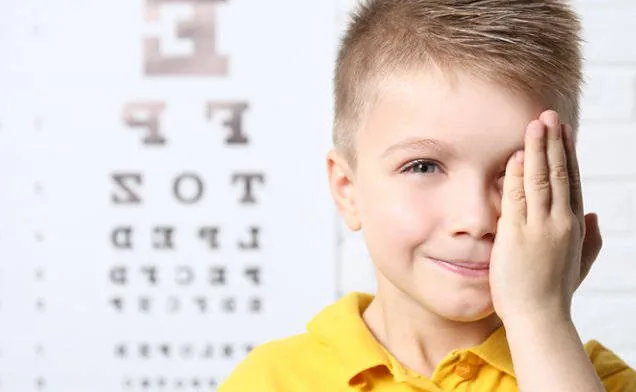
Eye screening in children is one of the most important checks that should be done at an early age for healthy visual development. Eye health is directly related to a child's learning capacity, attention span, and motor development. For this reason, having the eye screening done at the right time ensures early detection of vision disorders and helps prevent permanent vision loss later on.
At Kayseri İdeal Göz Clinic, we offer a comprehensive pediatric eye screening service to protect children's eye health and detect possible eye conditions early during their development.
1. Why Is Eye Screening Important in Children?
Vision is the most important tool for learning during childhood. Studies show that children use visual information for about 80% of what they learn about their surroundings, objects, and written materials. For this reason, eye screening in children is a critical step not only for eye health but also for overall cognitive and academic development.
If eye conditions are not noticed early, they can become permanent as the brain develops. In particular, strabismus, amblyopia (lazy eye), and refractive errors (myopia, hyperopia, astigmatism) become harder to treat at older ages if not diagnosed early.
Thanks to regular eye examinations in children, specialists at İdeal Göz Clinic detect such problems early and plan the correct treatment. Early intervention has a positive effect on both a child's school performance and social life.
2. When Should Children Have an Eye Screening?
This is one of the questions parents wonder about most: When should children have an eye screening?
Experts recommend that a child's first eye exam be performed shortly after birth, followed by repeat exams at certain age intervals.
- Here is the ideal timeline:
- Newborn period (0 to 6 months):
The eyes should be checked for any congenital abnormality, strabismus, or signs of vision loss.
- 1 year:
Visual tracking, eye movements, and focusing ability are evaluated.
- 3 years:
This period is a critical time for detecting refractive errors (myopia, hyperopia, astigmatism).
- Preschool age (5 to 6 years):
A comprehensive eye exam before starting school makes a major contribution to the learning process.
- School age (7 years and older):
Annual check-ups are recommended due to glasses use, screen exposure, and schoolwork load.
At Kayseri İdeal Göz Clinic, the dedicated pediatric eye screening program is carried out with age-appropriate tests. These tests include visual acuity measurement, color blindness testing, 3D vision assessment, and evaluation of eye muscle coordination.
3. Which Tests Are Used in Eye Screening?
Eye screening in children consists of different tests depending on age and developmental level. Especially in younger age groups, since children's attention spans are short, the tests are conducted in a playful and fun way.
The main tests are as follows:
- Retinoscopy: Determines refractive errors.
- Cover test: Reveals whether amblyopia (lazy eye) or strabismus is present.
- Refraction test: Evaluates the child's distance and near vision ability.
- Color blindness test: Measures the ability to distinguish colors.
- Stereo test (3D vision): Checks depth perception.
- Fundus examination: Examines the back of the eye to assess the health of the retina and optic nerve.
At İdeal Göz Clinic, all of these tests are performed in a child-friendly environment by experienced pediatric eye care specialists. The goal is to help children take part in the exam comfortably and without fear.
4. Recommendations for Parents to Protect Children's Eye Health
Protecting eye health is possible not only through doctor check-ups but also through small precautions taken at home. As parents, you can pay attention to the following points to support your children's visual development:
- Limit screen time: Especially in children under 6, prolonged tablet or phone use can accelerate the development of myopia.
- Let them play in natural light: Spending at least 1 to 2 hours outdoors each day is very beneficial for eye development.
- Pay attention to nutrition: Foods containing vitamin A, lutein, and omega-3 (carrots, fish, spinach, egg yolk) contribute to eye health.
- Pay attention to study distance: There should be at least 35 to 40 cm between the eyes and a book or screen.
- Don't skip regular check-ups: Even without symptoms, a routine eye exam should be done every year.
Kayseri İdeal Göz Clinic, with its modern devices and expert physicians, is the most trusted address for parents when it comes to children's eye health.
Frequently Asked Questions (FAQ)
1. At what age should children have an eye screening?
The first eye exam should be done shortly after birth, then repeated at ages 1, 3, and 5.
2. Is eye screening painful?
No. All tests are painless and are conducted in a way that suits the child's age.
3. How can amblyopia (lazy eye) be recognized?
If a child resists having one eye covered, sits very close to the television, or blinks frequently, this may be a sign of amblyopia (lazy eye).
4. Why is an eye exam important during the preschool period?
If vision problems are detected during this period, school performance and attention development are positively affected.
5. Where can children's eye screening be done in Kayseri?
Kayseri İdeal Göz Clinic offers reliable eye screening services with physicians who specialize in children's eye health.
Protect Your Children's Eye Health with Kayseri İdeal Göz Clinic
The way to protect your child's future is by not neglecting their eye health.
Kayseri İdeal Göz Clinic provides pediatric eye screening services with an expert medical staff and advanced technology devices.
Do you have concerns about your child's eye health?
Early diagnosis is the most important step toward healthy vision.
Book your appointment today and help your children see the world clearly.
- Kayseri İdeal Göz Clinic: The Trusted Address in Children's Eye Health
- Appointment: 0352 332 11 38
- Website: idealgoz.com.tr