














Lenses and cataract
Cataract
Cataract surgery can be performed with local anesthesia in suitable patients. Recovery varies with the patient and the eye.
Doctors in this field

What Is Cataract?
Cataract is the loss of transparency of the lens inside the eye. When the lens loses its transparency, the amount of light entering the eye decreases and vision becomes blurred.
Why Does Cataract Occur?
Cataract has many causes. The most common cause is aging. As age advances, proteins that accumulate inside the lens reduce its transparency. In addition, cataract can sometimes be congenital or can develop during childhood. Eye trauma and the use of cortisone-containing medications can also cause cataract.
What Are the Symptoms of Cataract?
The most important symptom of cataract is blurred vision. People developing cataract may have complaints such as sensitivity to light, glare, double vision, and seeing colors as faded. A change in eyeglass prescription, or a person beginning to see near objects without eyeglasses, can be a sign of cataract. Because cataract generally progresses slowly, a person may not notice their symptoms in its early stages.
What Is the Treatment for Cataract?
There is no treatment for cataract with medication or eyeglasses. Surgery is the only treatment option.
When Should Cataract Surgery Be Performed?
In the past, cataract surgery was performed with sutures, so the cataract was allowed to fully harden first. Today, however, since surgery is performed without sutures, it is not recommended to let the cataract progress too far. A heavily hardened cataract makes surgery more difficult for both the surgeon and the patient.
There are no strict rules regarding the timing of cataract surgery. The doctor and patient decide together when surgery should be performed, based on the patient's occupation, daily needs, expectations, and sociocultural circumstances. However, generally, once vision drops below 60%, patients' daily lives begin to be affected negatively, and cataract surgery becomes appropriate.

How Is Cataract Surgery Performed?
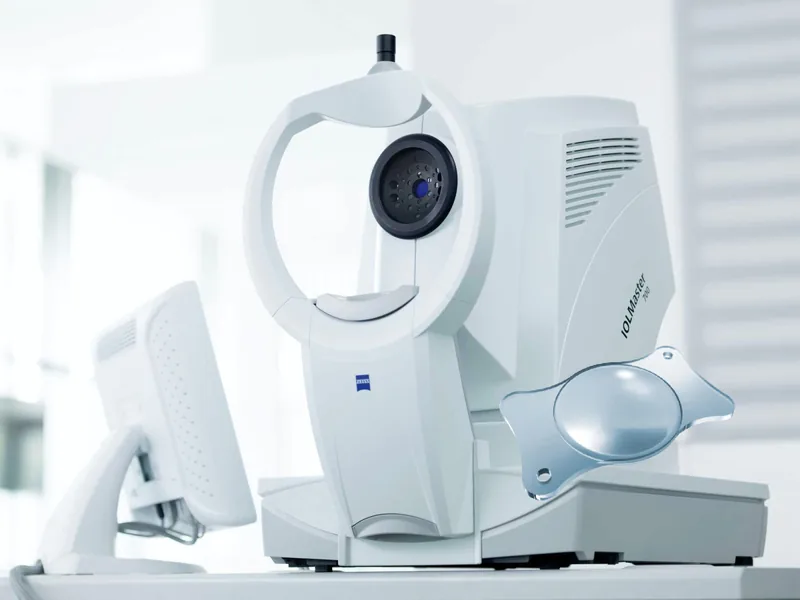
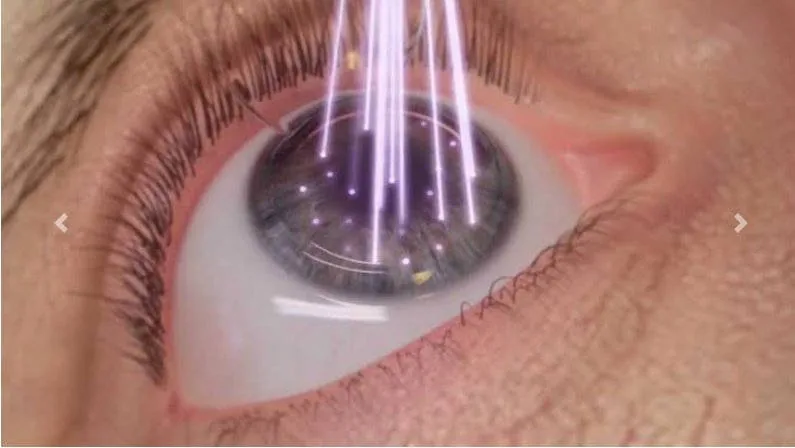
During surgery, the eye's own clouded lens is removed through a very small (2.4 mm) incision. This removal is performed using the phacoemulsification (FAKO) method, popularly known as “laser” among patients. An artificial intraocular lens is then implanted. A standard cataract surgery takes about 10 to 15 minutes and no sutures are used.
Today's technology offers many alternatives for intraocular lenses and can free a person from eyeglasses entirely. For detailed information, please see the “premium lenses” section of our website.
What Is the Process Like After Cataract Surgery?
The postoperative process depends on the hardness of the cataract, the quality of the equipment and materials used during surgery, and the surgeon's experience. After an uncomplicated surgery, the patient can go home right away. The operated eye is usually kept bandaged for one day, but the bandage is removed at the appropriate time to instill medication drops. The next day, the bandage is removed, a follow-up exam is performed, and the patient usually begins to see clearly. However, in patients with a hardened cataract, clear vision can take a few weeks to develop. From the third day onward, our patients can return to all daily activities, including bathing and praying. Drops are generally used for 2 weeks after surgery. Eyeglass adjustments are made in the 3rd week.
What Are the Risks of Cataract Surgery?
Although today's technology has made cataract surgery easier, it is still one of the most serious eye surgeries and carries certain risks. These risks are higher in surgeries that use cheap materials and outdated technology, reuse the same materials on multiple patients, or use low quality intraocular lenses.
Problems that can occur include incomplete removal of the cataract, inability to implant the lens, eye infection, bleeding in the eye, and a residual diopter. Minimizing these risks is possible through an experienced surgeon, good hospital conditions, and the use of high quality, single-use materials. It is not possible to perform surgery very cheaply while using good conditions and good materials. Let us not forget that your good vision for the rest of your life depends on the success of this surgery.