
















Ocular surface
Dry Eye
We treat dry eye by focusing on what causes too little or poor-quality tears.
Doctors in this field


What Is Dry Eye?
Tears moisturize, nourish, and protect the surface of the eye. Irritation of the eye's surface caused by an insufficient quantity or quality of tears is known as dry eye. Dry eye is quite common in our society, and its prevalence is increasing with growing use of phones and computers.
What Are the Causes of Dry Eye?
Conditions that cause dry eye do so through 2 mechanisms: they either reduce tear production or increase tear evaporation. The causes of dry eye can be listed as follows:
- Aging and menopause, the most common cause of dry eye.
- Rheumatism
- Blepharitis (eyelid inflammation)
- Skin conditions
- Dry, air-conditioned, or overly hot environments
- Smoking
- Allergies, depression, sleep medications
- Contact lens use
- Prolonged computer or phone use
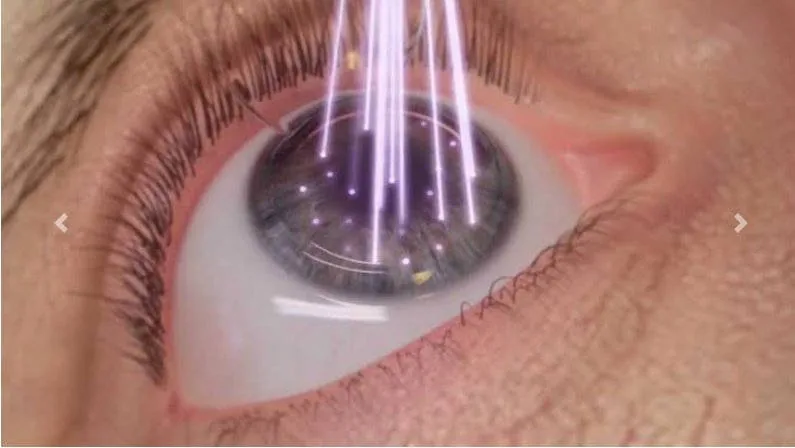
- Excimer laser (laser eye surgery)
What Are the Symptoms of Dry Eye?
Burning, stinging, itching, a gritty sensation, dryness, heaviness or fatigue, light sensitivity, redness, and blurred or fluctuating vision are the symptoms we commonly see with dry eye.
What Is Done to Treat Dry Eye?
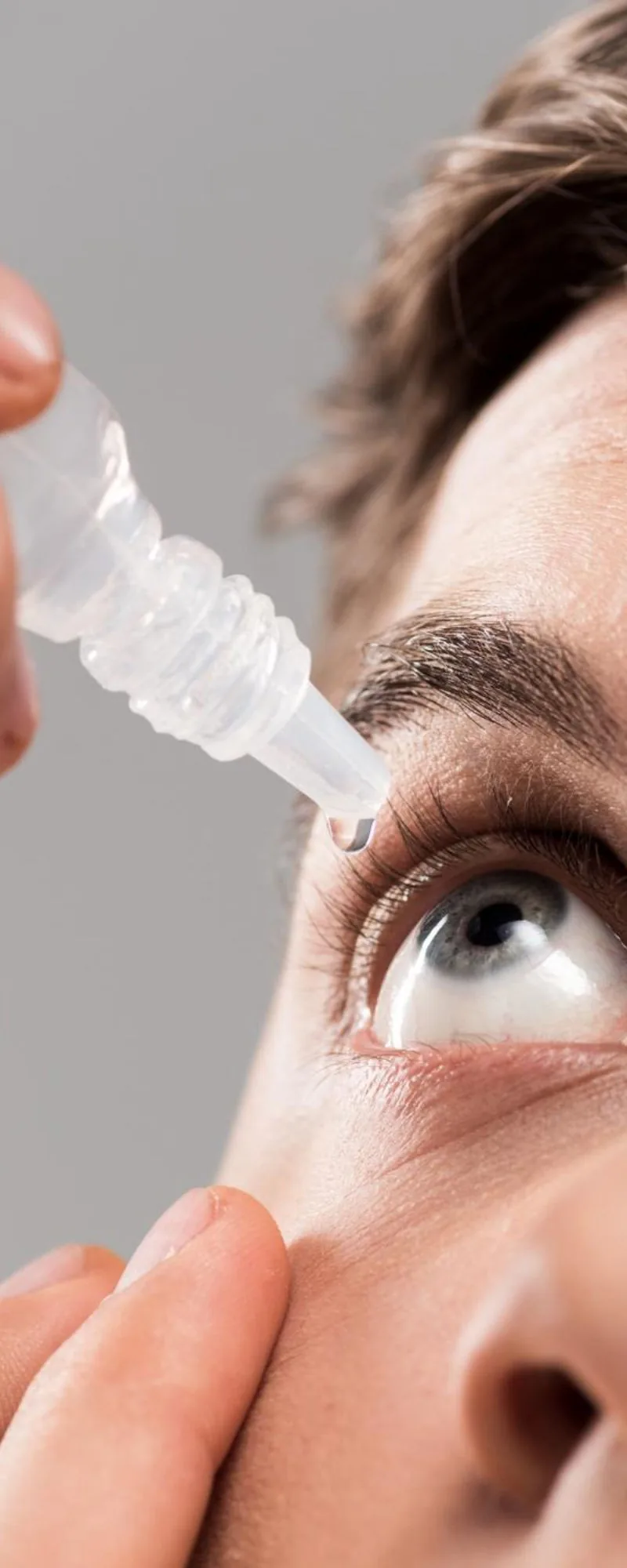
The common approach in treating dry eye is to reduce the patient's complaints with artificial tear drops and gels. However, what is truly important is addressing the underlying cause of the dryness.
If blepharitis or a skin condition is present, it should be treated. Blepharitis damages the oil glands in the eyelids that moisturize the eye. Warm compress massage helps restore these oil glands. In cases where warm compress massage is not enough, the oil glands can be improved with IPL laser or Lipiflow treatment.
Under normal conditions, we blink 12 to 15 times per minute. However, during activities such as computer use, phone use, or reading, this number can drop to as low as 5. This causes tears to evaporate and leads to dryness. In particular, people who work at a computer should blink deliberately from time to time, which will reduce dryness.
A patient with rheumatism must always keep the underlying condition under control.
Work environments should be humidified (a humidifier can be used, or a damp towel can be hung up), and air-conditioned or overly hot environments should be avoided.
For patients whose dryness does not improve despite everything, punctal plugs can be inserted.