













Eyelid and periocular aesthetics · Blepharoplasty
Eyelid Aesthetics
Removing sagging skin and excess tissue from the upper and lower lids restores a rested look.
Doctors in this field
What Is Eyelid Surgery (Blepharoplasty)?
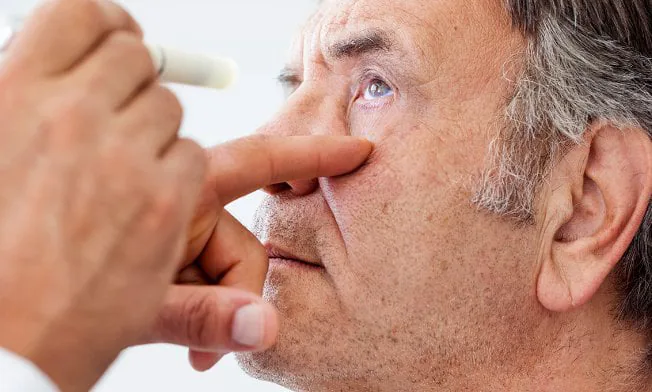
A person's aesthetic appearance is directly related to the area around the eyes. As a person ages, drooping of the upper eyelids and bagging of the lower eyelids lead to an undesirable aesthetic appearance. Beyond the aesthetic effect, drooping upper eyelids can also cause functional problems by blocking the field of vision. With the cosmetic eyelid surgery we call blepharoplasty, sagging skin is removed and, if present, herniated fat pads are removed, giving the person both a more attractive appearance and improved functional vision.
What Is the Suitable Age Range for Eyelid Surgery?
It is actually quite difficult to specify a single age range for blepharoplasty surgery. However, physiologically, drooping and bagging of the upper and lower eyelids generally begin after age 35. Although it is rarely performed on younger people, we most often recommend it for people over 35.
How Is Eyelid Surgery (Blepharoplasty) Performed?
Eyelid surgery (blepharoplasty) can be performed under local anesthesia. If only the upper eyelids are being operated on, the procedure takes no more than 45 minutes. Good planning is essential for a good result. Before anesthesia is given, the amount of skin to be removed is marked out on the patient. Anesthesia is then administered and the sagging skin is removed. If the fat pads beneath the eyelid have herniated, they are removed with the appropriate technique.
If surgery will be performed only on the lower eyelids, either local or general anesthesia may be chosen, depending on the preference of the patient and physician. Lower eyelid surgery can be performed in two ways. In patients with excess skin folds on the lower lid, it can be performed through a skin incision, what we call the transcutaneous approach, made just below the lash line; in patients with significant lower lid bagging, it can instead be performed through the inner surface of the eyelid without any visible incision, what we call the transconjunctival approach. Depending on the procedures performed, lower eyelid surgery takes about one and a half hours.
Does Blepharoplasty Leave a Scar?
Blepharoplasty generally does not leave a noticeable scar. The incisions made in blepharoplasty can be hidden within the natural eyelid crease on the upper lid, and along the lash line on the lower lid. For this reason, no noticeable scar remains after surgery; the incisions can only be seen when viewed from very close up.
What Is the Healing Process Like After Eyelid Surgery?
After surgery, you may experience sensitivity and discomfort around your eyes. There may be bruising and swelling in the first few days. To reduce swelling and bruising, it is important for our patients to sleep with their head elevated and to apply cold compresses to the surgical area for the first two days. After a few months, the area around your eyes will look natural enough that no one will be able to tell you had surgery.
Who Performs Ptosis (Droopy Eyelid) Surgery?
These operations can be performed by ophthalmologists and plastic surgeons. However, considering that this surgery is not purely a cosmetic procedure, it is more appropriate for it to be performed by ophthalmologists who have specialized in oculoplastic surgery, in order to protect eye and vision health.