
















Eyelid and periocular aesthetics · Droopy Eyelid
Droopy Eyelid (Ptosis)
We plan the right surgical treatment for ptosis, when the eyelid sits lower than normal.
Doctors in this field

What Is Ptosis?
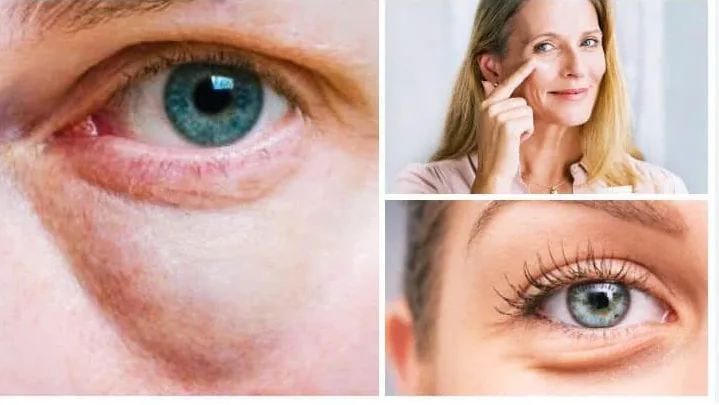
The condition of the eyelids is very important, both functionally and aesthetically. Our eyes are protected from external factors by the eyelids, which is why the health of the eyelids is so important for our eyes. We define ptosis as an eyelid being lower than normal. Although it is often seen on one side, it can also occur on both sides. Ptosis can occur at any age but is seen more often in older people.
Why Does Ptosis Occur?
Ptosis can be congenital, or it can develop with advancing age. Long-term contact lens use, trauma, and masses forming in the upper eyelid are among the causes of ptosis. Ptosis can also develop from neurological causes or muscle disorders.
What Are the Symptoms of Ptosis?
We usually notice ptosis through the asymmetry we see when looking in the mirror or at photographs. We perceive one eye as more closed and the other as more open. If ptosis is present on both sides, it creates a sleepy, depressed, or unhappy appearance. In addition, if the ptosis is severe, the eyebrow and forehead muscles try to lift the eye higher, which will cause headaches.
Does Ptosis Block Vision?
Depending on the degree of drooping, the level and quality of vision are always affected to some extent. The contrast of images and the vividness of colors can be reduced, and when the eyelid droops significantly, vision can be lost entirely. In cases where the eyelid droops severely, our patients can only see by lifting the eyelid with their hand.
Treatment of Ptosis
Surgery is currently the only treatment option for ptosis. Methods must be planned that will not cause eyelid dysfunction and that will give an aesthetically acceptable result. Surgery is generally planned to target the levator muscle, which lifts the eyelid. The functional level of this muscle determines the surgical method. If there is adequate muscle function, a procedure called levator resection is performed to strengthen the muscle. In cases where muscle function is very weak, a frontalis sling procedure is performed, in which the eyelid is suspended from the forehead muscle to lift it.
Congenital Ptosis
This condition, which we call congenital ptosis, occurs because the levator muscle that lifts the baby's eyelid fails to develop while in the womb. The most important aspect of congenital ptosis is its potential to cause amblyopia in infants. For this reason, babies with ptosis must be examined carefully. If the eyelid completely covers the pupil, meaning the visual axis is completely blocked, treatment is urgent. If the visual axis is open, it is most appropriate to follow the baby with exams every 6 months and perform surgery between ages 2 and 4.
What Are the Surgical Methods and Types of Anesthesia?
Ptosis surgery is performed in three ways. The first method is the skin approach. In this method, the levator muscle is reached and strengthened through an incision on the skin that follows the eyelid crease. The second method is performed through the inner surface of the eyelid. In this method there is no incision on the skin at all; this surgery is also called sutureless ptosis surgery. The only disadvantage of the second method is that it is chosen for patients with mild ptosis and is insufficient in most other cases. The last method is the sling procedure. It is chosen in cases where the levator muscle does not function at all. The levator muscle is suspended from the forehead muscle in an effort to lift the eyelid.
Local anesthesia is the most preferred method for these surgeries, because the eyelid level is fine-tuned during the surgery in an effort to achieve the most effective result. Of course, general anesthesia is preferred for children and for patients who are not suitable candidates for local anesthesia.
Who Performs Ptosis (Droopy Eyelid) Surgery?
These operations can be performed by ophthalmologists and plastic surgeons. However, considering that this surgery is not purely a cosmetic procedure, it is more appropriate for it to be performed by ophthalmologists who have specialized in oculoplastic surgery, in order to protect eye and vision health.