

















Symptoms of Diabetic Eye Disease

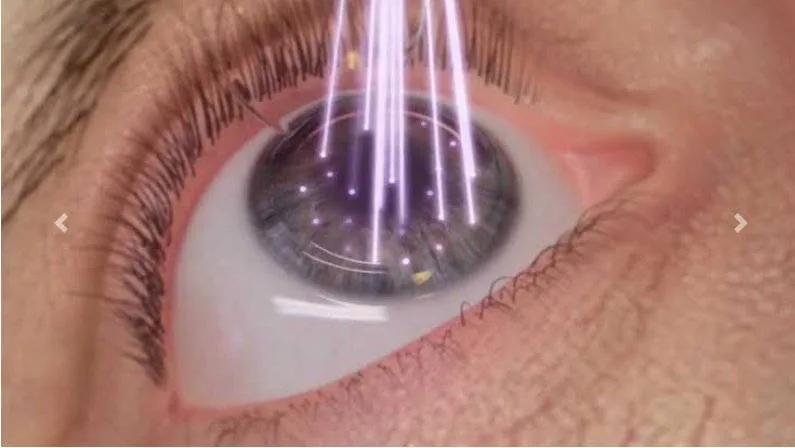
In our blog post on symptoms of diabetic eye disease, the term 'eye sugar' generally refers to diabetic retinopathy, a condition associated with diabetes.
Diabetic retinopathy is a condition in which the retinal layer of the eye is damaged in people with diabetes. In advanced cases, it can lead to vision loss. Here are the symptoms of diabetic retinopathy:
Blurred vision: Images not being clear, or a blurry appearance to vision, can be a symptom of diabetic retinopathy.
Bright spots and dots: The appearance of bright spots, floaters, or moving dots referred to as 'floaters' in your field of vision.
Vision loss: Loss can occur in part or all of the visual field. This vision loss can sometimes appear as dots or spots.
Difficulty seeing at night: As diabetic retinopathy progresses, difficulty seeing at night can occur. Night vision may decrease, or halos or streaks may be seen around lights.
Changes in color perception: Changes may occur in distinguishing colors or colors may appear faded.
Narrowing of the field of vision: A feeling of narrowing in the peripheral (side) field of vision. This can occur in advanced stages.
Haziness or dark spots in vision: Images may appear hazy or dark.
Difficulty outdoors and in bright light: Difficulty seeing on sunny days or in bright light.
If you experience any of these symptoms, or if you have diabetes, it is important to see an eye doctor immediately. Early diagnosis and treatment are vital for preventing or limiting the progression of diabetic retinopathy and vision loss.
How does diabetes affect the eyes?
Diabetes is a condition in which prolonged high blood sugar levels cause damage in various parts of the body. The eyes are among the important organs that can be affected by this damage. The effects of diabetes on the eyes appear as diabetic retinopathy and certain other eye problems.
Diabetes can affect the eyes in various ways. Diabetic retinopathy is the most common eye complication of diabetes. This condition occurs when high blood sugar affects the layer of the eye called the retina. Diabetic retinopathy can cause damage to the blood vessels in the eye, leading to vision loss.
In addition, diabetes can lead to other complications in the eyes. These include macular edema (fluid buildup in the central part of the retina), cataracts (clouding of the eye's lens), glaucoma (increased intraocular pressure), and dry eye syndrome.
If you have diabetes, it is important to have regular checkups with your eye doctor. With early diagnosis and appropriate treatment, the progression of eye complications can be prevented or slowed. In addition, good blood sugar control, adopting a healthy lifestyle, and maintaining regular eye hygiene can help protect your eye health.
Diabetic retinopathy: Diabetic retinopathy is the most common complication that diabetes causes in the eye. High blood sugar levels damage the blood vessels in the layer of the eye called the retina. This can cause bleeding, blood vessel blockages, and damage in the retina. In advanced cases, it can lead to vision loss.
Macular edema: The macula, located at the center of the retina, is the area responsible for sharp vision and color perception. In advanced stages of diabetic retinopathy, fluid buildup (edema) can occur in the macular area. This can lead to impaired central vision.
Glaucoma: Diabetes can increase intraocular pressure and the risk of glaucoma. Glaucoma is an eye disease that affects the optic nerve and can cause vision loss in advanced cases.
Cataracts: Diabetes can increase the risk of cataracts. A cataract is a condition in which the eye's lens becomes cloudy, causing blurred vision.
Corneal problems: Diabetes can affect the cornea, the outer surface of the eye. Problems such as dryness, ulcers, or infections can occur on the surface of the cornea.
The effects of diabetes on the eyes generally develop over time. For this reason, it is important for people with diabetes to have regular eye exams so that problems can be diagnosed early and treatment started when necessary. To minimize the effects of diabetes on the eyes, it is necessary to keep blood sugar levels under control, adopt a healthy lifestyle, and attend regular doctor checkups.
Does diabetes cause eye pressure?
Yes, diabetes can lead to eye pressure if it is not controlled over the long term. However, instead of the term 'diabetic eye pressure,' the term 'diabetic retinopathy' is more commonly used. Diabetic retinopathy is a condition in which damage occurs in the retinal blood vessels due to high blood sugar levels.
In advanced stages, diabetic retinopathy can lead to eye pressure or an increase in intraocular pressure (glaucoma). High blood sugar levels can damage the retinal blood vessels and cause blockages in these vessels. These blockages can prevent the retinal tissue from receiving blood and oxygen, which can cause tissue death and bleeding in the eye.
The connection between diabetic retinopathy and eye pressure (glaucoma) highlights the need for people with diabetes to have regular eye exams. Early diagnosis and treatment are important for protecting eye health and preventing further problems. To protect your eye health, it is important to keep your diabetes under control, attend regular doctor checkups, and adopt healthy lifestyle habits.
As İdeal Göz Clinic, you can call us for any concerns related to symptoms of diabetic eye disease and have a detailed examination with our expert doctors.
For contact