















What Are Eye Prescriptions?

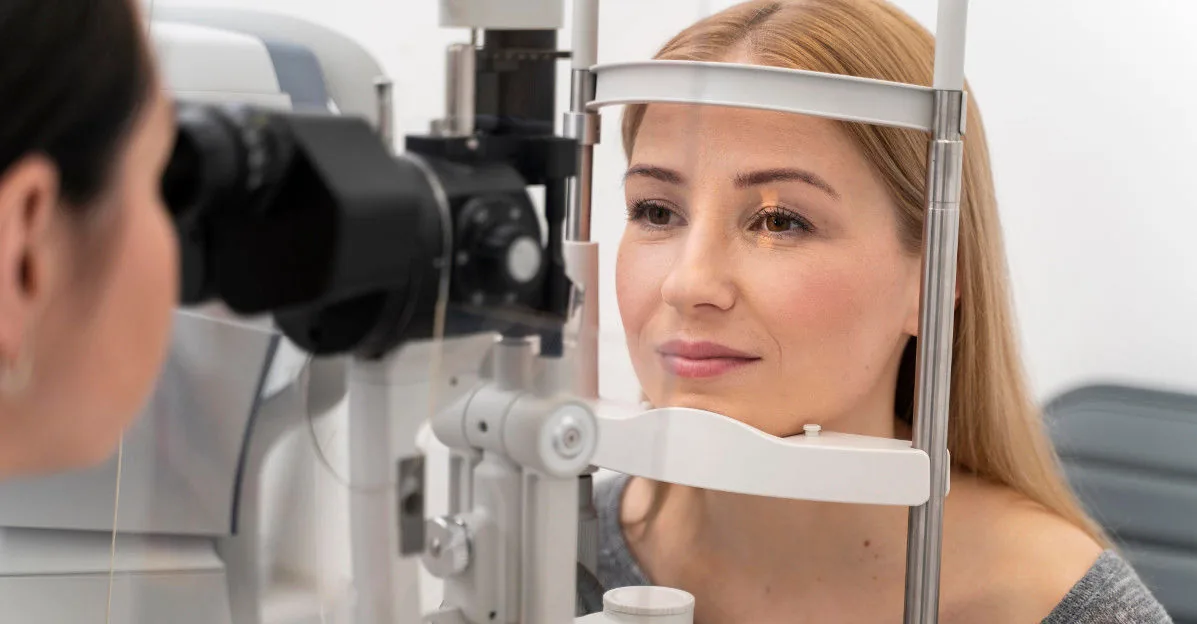
Eye prescriptions are a broad concept that affects many different aspects of eye health. Many people may encounter different types of eye prescriptions, and these problems can appear in various ways. Common types of eye prescriptions include myopia, hyperopia, and astigmatism.
Myopia is the inability to see distant objects clearly. This eye condition results from the shape of the eyeball. The eyeball is longer than normal, or the cornea is too curved. People with myopia can generally see nearby objects clearly but see distant objects as blurry. Myopia can be corrected with glasses or contact lenses, and sometimes with refractive surgery.
Another common eye condition is hyperopia. People with hyperopia have difficulty seeing nearby objects clearly. Hyperopia occurs when the eyeball is shorter than normal or the cornea is too flat. This condition is often accompanied by presbyopia as a person ages. Hyperopia can usually be corrected with glasses or contact lenses.
Astigmatism is an eye condition that causes light rays to focus irregularly in the eye. Astigmatism can be treated with glasses, contact lenses, or refractive surgery. Presbyopia, meanwhile, is a problem with focusing on nearby objects that appears with age. People with presbyopia often have difficulty reading or seeing other nearby objects clearly. Presbyopia can be corrected with multifocal glasses, contact lenses, or refractive surgery.
Eye prescriptions can vary from person to person and may not have a single cause. Factors such as environmental influences, genetic predisposition, and age can affect eye prescriptions. However, it is important to pay attention to daily routines and precautions to protect eye health. Steps such as resting your eyes regularly, following a healthy diet, wearing protective sunglasses, and having regular eye exams can contribute to your eye health.
What Should Your Eye Prescription Be?
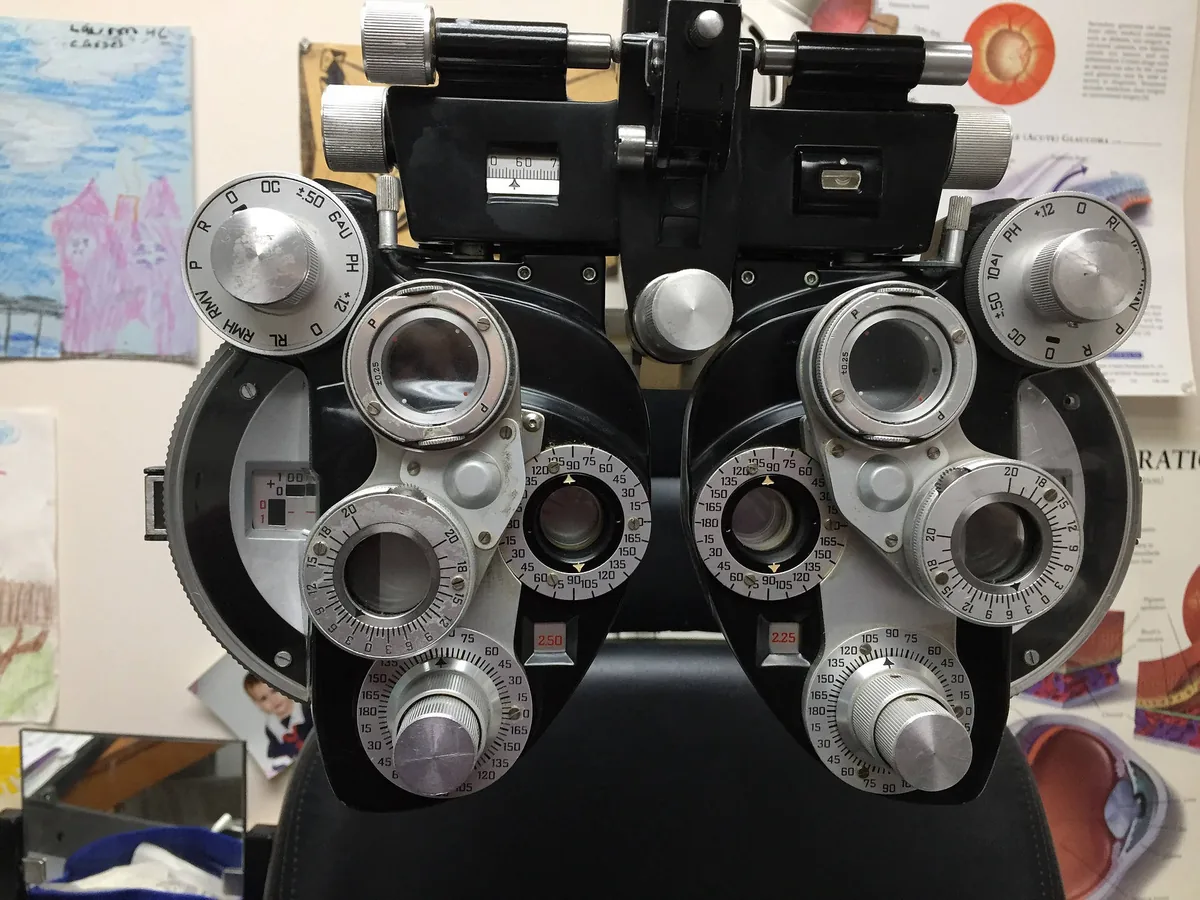
An eye prescription is a measure that describes a person's visual ability. It is a value usually determined by an optometrist or ophthalmologist. However, an eye prescription can vary from person to person and can be affected by many factors.
An eye prescription is generally expressed in terms of two main concepts: myopia (nearsightedness) or hyperopia (farsightedness). Myopia is an eye problem that affects the ability to see nearby objects clearly, while hyperopia affects the ability to see distant objects clearly.
A person's eye prescription is usually determined by an optometrist or ophthalmologist after a diagnosis is made. This requires an eye exam and measurement of the eye's refractive values. An eye prescription is 0 (zero) for a person with normal vision. In cases of myopia and hyperopia, the eye prescription can have a positive or negative value, measured in diopters.
If you have concerns or questions about your eye prescription, I recommend seeing an eye doctor to get the most accurate answer. After evaluating your personal situation, they can guide you toward the most suitable treatment or correction methods.
In conclusion, being informed about eye prescriptions and knowing the symptoms and treatment options for these conditions will help maintain healthy eyes. If you have any eye problem or concern, it is important to see a specialist eye doctor.
How Does an Eye Disorder Go Away? Eye Disorder Treatment
Eye disorders are conditions that generally arise when there is a problem with the eye's focusing ability. The most common eye disorders are known as myopia (blurry distance vision), hyperopia (blurry near vision), and astigmatism (blurry or distorted vision). How an eye disorder resolves and its treatment depend on the specific disorder. Here are some common treatment options:
Glasses or contact lenses: Glasses or contact lenses are the most commonly used methods for correcting myopia, hyperopia, and astigmatism. These optical corrections fix the eye's focusing problem to provide healthy vision.
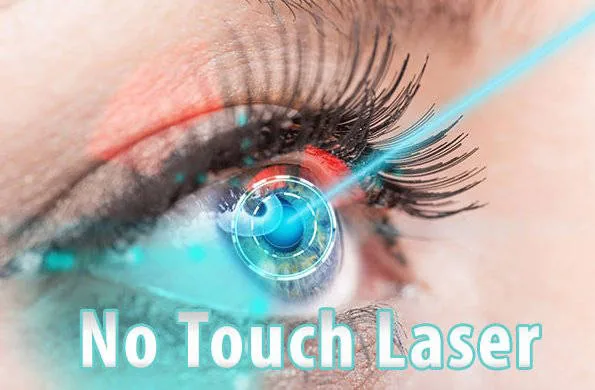
Refractive surgery: Refractive surgery is a method used to reduce or completely eliminate the need to wear glasses or contact lenses. Procedures such as LASIK and PRK aim to correct the eye disorder by reshaping the cornea.
Eye exercises: Eye exercises are a treatment method used to strengthen the eye muscles and reduce eye strain. However, scientific evidence does not support the ability of eye exercises to directly correct an eye disorder. These exercises generally help relieve headaches, eye strain, and muscle spasms.
Minor corrections: In some cases, an eye disorder may be very mild and cause no health issue beyond a cosmetic one. In such cases, corrective treatment may not be necessary, and the eye disorder may remain within acceptable limits.
If you have a problem with a vision disorder, it is recommended that you consult an eye doctor. The eye doctor can determine the most suitable treatment option for you and observe other factors affecting your eye health. As İdeal Göz Clinic, we are always by your side for all your eye problems.
Wishing you healthy days.