














Ask a Kayseri Eye Doctor
The Kayseri eye doctors at İdeal Göz Clinic continue to answer your questions.
Here, as Kayseri İdeal Göz Clinic and Kayseri eye doctors, we answer the most frequently searched questions that come from you.
1. How is a first eye exam performed?
A first eye exam is usually performed by an eye doctor to assess eye health. When the exam begins, the specialist typically starts by checking your eyes with a screening device. This screening is used to evaluate the general health of your eyes.
Vision test: Next, you may need to put on glasses or contact lenses, and the specialist may direct you to an eye chart or other vision testing methods to determine your vision.
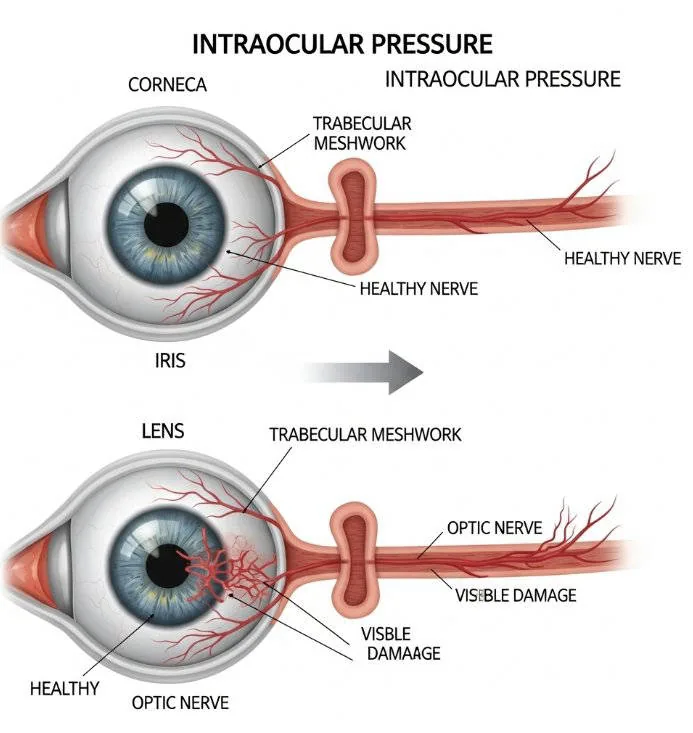
Intraocular pressure measurement: Some exams include a test that measures intraocular pressure. This is used to assess eye pressure.
Fundus exam: Using eye drops to dilate the pupil, an instrument may be used to examine the back of the eye, such as the retina.
Other tests: During the exam, the specialist may also perform other tests, particularly to assess any problem in your eyes and to detect eye diseases.
After the exam is complete, the specialist will explain the results to you and may prescribe treatment or glasses or contact lenses based on your needs.
2. How can we tell if our eyes are impaired?
Here are some signs and tests to determine whether your eyes are impaired:
- Blurred vision: Being unable to see objects clearly at far or near distances and having a blurry image is a sign that your eyes may be impaired.
- Eye strain: Frequently feeling that your eyes are tired, having difficulty focusing, or having irritated eyes can indicate that your eyes are not focusing properly.
- Headache: Experiencing headaches after prolonged reading or work that strains the eyes can be a sign that your eyes are not functioning properly.
- Difference between the two eyes: If you notice a difference in clarity or focus between your two eyes, or notice that one eye sees better or worse than the other, this could indicate an eye disorder.
3. How can you tell if you need glasses?
Most people can notice certain signs that indicate they need glasses. Here are some signs that may indicate a need for glasses:
Blurred vision: Being unable to see clearly up close or at a distance, or having blurry vision, can be a sign that you need glasses.
Headache or eye strain: Headaches or a feeling of eye fatigue caused by straining your eyes more can indicate you may need glasses.
Difficulty reading: Having difficulty with prolonged reading or seeing nearby objects clearly can be a sign that you need correction to see up close.
Difficulty seeing at a distance: Being unable to see distant objects clearly or having difficulty doing so can indicate a condition such as myopia (nearsightedness) or hyperopia (farsightedness).
Rubbing your eyes or blinking frequently: If you frequently rub your eyes or find you need to blink constantly, you may need glasses.
4. What things damage the eyes?
- Prolonged computer or electronic device use: Using electronic devices such as computers, phones, or tablets for long hours can tire the eyes and cause eye strain.
- Inadequate lighting: Working in a dim or overly bright environment strains the eyes and can affect vision.
- Incorrect glasses prescription: If you are using an outdated or incorrect glasses prescription, proper focusing cannot be achieved and this can cause blurred vision.
- Harmful effects of the sun: Exposure to the sun's harmful UV rays can cause burning and irritation in the eyes and even lead to serious eye diseases such as cataracts.
- Cigarette smoke: Cigarette smoke can irritate the eyes and make them drier.
- Dry environments: Factors such as air conditioning, heating, or wind can dry out the eyes and cause discomfort.
- Eye trauma: Traumatic events such as a blow to the eye, a cut, or a foreign object getting into the eye can affect vision health.
5. At what age do the eyes start to decline?
Changes in vision can differ from person to person and depend on many factors. In general, it can be said that the eyes naturally change with age. However, everyone's eyes may decline at different rates and in different ways.
An age related condition called presbyopia, in which nearby objects can no longer be seen clearly, usually begins in the 40s. Presbyopia results from a natural decrease in the flexibility of the lens and usually causes difficulty reading. For this reason, corrective methods such as reading glasses or multifocal contact lenses are often needed after the age of 40 to see clearly up close.
However, refractive disorders such as myopia (nearsightedness), hyperopia (farsightedness), or astigmatism can also be seen at younger ages and are often influenced by genetic factors. These conditions can also be noticed during childhood or young adulthood and may require the use of glasses or contact lenses.
Remember, although it is not a hard and fast rule, it is true that the eyes change with age and some eye problems may arise. For this reason, it is important to have regular eye exams and consult an eye care specialist when needed.
6. What is the most dangerous eye disease?
There are several conditions we could consider the most dangerous eye diseases.
Glaucoma: A disease in which high intraocular pressure damages the optic nerve. This is a condition that can cause vision loss and lead to permanent damage.
Retinal detachment: Retinal detachment refers to the separation of the retinal layer from the surface of the eye. This is an eye problem that requires urgent treatment and can cause vision loss.
Macular degeneration: Macular degeneration occurs when cells in the area of the retina called the macula are damaged. Age related macular degeneration is a disease commonly seen in older adults that can affect central vision.
Retinoblastoma: Retinoblastoma refers to the formation of cancer in the cells of the retina. It usually occurs during childhood and is a serious eye cancer that must be treated quickly.
7. Can nerves and stress affect the eyes?
Yes, nerves and stress can affect the eyes. High levels of stress or prolonged nervous tension can cause various symptoms in the eyes. Some of these symptoms may include:
Eye strain: Prolonged stress or nervous tension strains the eyes and can create a feeling of fatigue.
Dry eyes: Stress and nerves can affect the moisture balance of the eyes and lead to dry eyes.
Blurred vision: Stress or nerves can cause the eye muscles to tense, which can lead to blurred vision.
Eye itching or irritation: Nerves or stress can cause you to rub your eyes, which can lead to a feeling of irritation or itching in the eyes.
Eye twitching: In stressful situations, some people may experience twitching in the eyelid or eye muscles.
As Kayseri eye doctors, Kayseri İdeal Göz Clinic is always by your side for all eye conditions.
Take care...