
















Eye Diseases That Appear in Later Life - İdeal Göz Clinic
As we age, problems related to eye health tend to increase. Eye diseases can occur as a natural result of aging and can significantly affect quality of life. Cataract, glaucoma, age-related macular degeneration, and other eye diseases can reduce visual ability and even cause permanent blindness. However, with early diagnosis and proper treatment, many eye diseases can be brought under control. This article examines the symptoms, risk factors, and preventive measures for eye diseases that appear in later life.
Eye Diseases That Can Appear
Cataract: Cataract is a condition that occurs when the eye's lens loses its transparency. This can blur vision and make colors appear faded. It is a treatable condition and usually requires surgical intervention.
Cataract is a condition that occurs when the eye's lens loses its transparency. Normally, the eye's lens transmits light and forms a clear image on the retina. However, when a cataract develops, the lens becomes cloudy and makes vision blurry or hazy.
Symptoms of cataract can include blurry or hazy vision, fading of colors, difficulty with night vision, increased light sensitivity, and double vision. These symptoms can negatively affect quality of life and cause difficulties in daily activities.
Cataract is generally associated with the aging process, but certain risk factors can accelerate its development. These factors include prolonged sun exposure, smoking, diabetes, high blood pressure, obesity, and certain medications.
The only effective treatment for cataract is surgery. Cataract surgery is performed by removing the clouded lens and replacing it with an artificial intraocular lens implant. This procedure is generally short, safe, and effective. Most people have clearer vision after cataract surgery, and their quality of life improves.
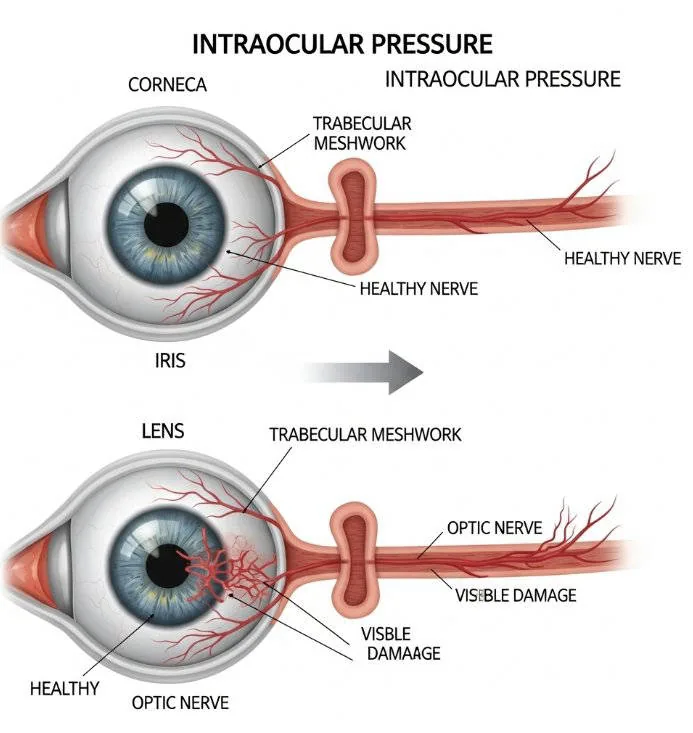
Glaucoma: Glaucoma refers to a group of eye diseases in which increased intraocular pressure damages the optic nerve. It usually results from unbalanced drainage of the fluid inside the eye. Early diagnosis is important because, if it progresses, it can cause permanent vision loss.
Glaucoma refers to a group of eye diseases in which increased intraocular pressure damages the optic nerve. Intraocular pressure rises when a blockage or malfunction in the drainage system of the fluid normally present in the eye (aqueous humor) causes excess fluid to accumulate. This elevated pressure puts strain on the optic nerve and can lead to vision loss over time.
The symptoms of glaucoma often go unnoticed in the early stages, which is why it is called the "silent thief of sight." It is a progressive disease and is usually noticed only in advanced stages. Symptoms can include blurred vision, eye pain, headache, seeing halos around lights, fading of colors, and narrowing of the visual field.
There are several types of glaucoma. The most common types are open-angle glaucoma and angle-closure glaucoma. Treatment varies depending on the type and severity of the glaucoma. Medications are usually used to keep intraocular pressure under control. If medications are not sufficient, laser treatment or surgical intervention may be needed. Early diagnosis and treatment are important for preventing or slowing vision loss, so regular eye examinations are recommended.
Macular degeneration: The macula is a central point on the retina and is important for sharp vision. Macular degeneration occurs when the macula is damaged. It is a progressive disease and can be age-related macular degeneration (AMD), which can occur in dry or wet forms. Early diagnosis and treatment can slow or stop vision loss.
Macular degeneration is an eye disease that occurs when a small area at the center of the retinal layer called the macula becomes damaged or degenerates. The macula is critically important for sharp vision and central vision. For this reason, macular degeneration can lead to vision loss, particularly affecting central vision.
There are two main types:
Dry (Atrophic) Macular Degeneration: This type of macular degeneration is characterized by gradual thinning of the macula and cell loss over time. It begins with the accumulation of small yellowish deposits called drusen. These deposits usually cause no symptoms in the early stages. Over time, however, vision can become blurry, or a spot or gap can appear.
Wet Macular Degeneration: Wet macular degeneration is characterized by the sudden growth of abnormal blood vessels underneath the macula. These vessels leak and cause an abnormal buildup of fluid that affects the macula. Wet macular degeneration can develop after the progression of the dry form or can occur independently. The wet form can cause faster vision loss than the dry form.
Macular degeneration is generally associated with the aging process, but other factors such as genetics, smoking, high blood pressure, and high cholesterol can also increase the risk. Unfortunately, macular degeneration cannot be completely cured, but its progression can be slowed or stopped. Early diagnosis and treatment are important. Your eye doctor will monitor your symptoms and determine the appropriate treatment plan. These treatments may include eye drops, laser treatment, and medication injections.
Diabetic retinopathy: Diabetes can negatively affect eye health and lead to diabetic retinopathy. This condition can damage the blood vessels of the retina and lead to progressive vision loss.
Diabetic retinopathy is a complication of diabetes that affects the eyes. Diabetes is a condition in which blood sugar levels are high, and over time these high blood sugar levels can damage the blood vessels of the eye. Retinopathy is characterized by damage to the tissue at the back of the eye called the retina.
Symptoms of diabetic retinopathy can include blurry or distorted vision, spots or floaters in the field of vision, faded colors, vision loss, and even completely dark spots.
To prevent or slow the progression of diabetic retinopathy, regular eye examinations, keeping blood sugar levels under control, managing blood pressure, and healthy lifestyle habits are important. Treatment options can include laser treatment, medication injections, and other surgical procedures. Early diagnosis and treatment are critical for preventing or reducing vision loss.
Presbyopia: With age, the eye's lens loses flexibility, reducing the ability to focus on near objects. This condition is called presbyopia and usually appears after the age of 40. Reading glasses or contact lenses can be used to correct it.
Presbyopia is an age-related eye condition that makes near vision difficult. It usually begins after the age of 40 and becomes more pronounced with advancing age. This condition is associated with decreased flexibility of the eye's lens.
Normally, the eye's lens performs the focusing function, shifting between near and distant objects. In presbyopia, however, the lens's flexibility decreases, and the focusing ability needed to see near objects weakens. As a result, people with presbyopia often cannot see nearby text clearly. This loss of focusing ability can cause difficulties in daily activities such as reading, using a computer, or reading small print.
Presbyopia is an inevitable condition that comes with age and generally does not reflect a person's lifestyle habits or general health status. However, many people may need corrective optical options such as reading glasses, bifocal or progressive glasses, or contact lenses. Surgical options such as laser surgery may also be considered in some cases.
Symptoms of presbyopia usually appear after the age of 40 and progress over time. Signs of presbyopia can include difficulty with near vision, eye strain, headaches, and tension in the eye muscles. Regular eye examinations are important for diagnosing presbyopia and determining appropriate treatment.
İdeal Göz Clinic: Eye Diseases
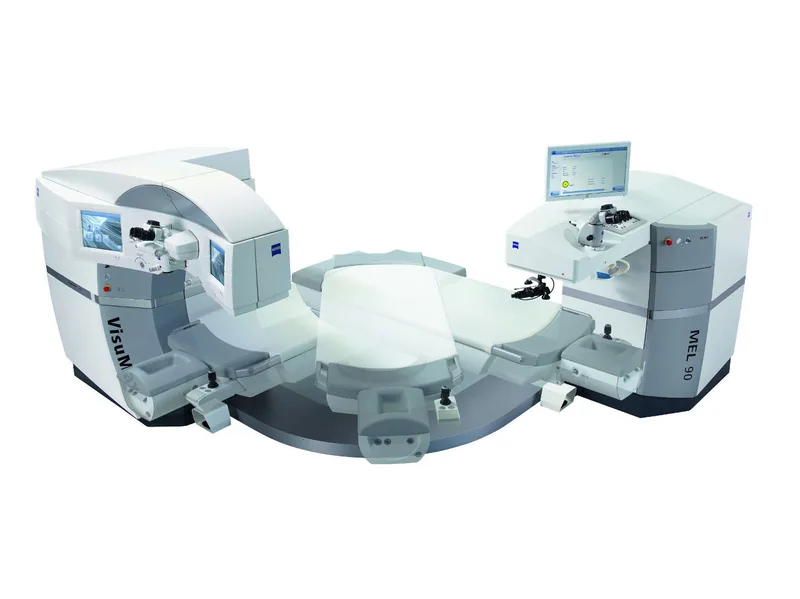
İdeal Göz Clinic is a leading institution in the field of eye health, with its expert staff and modern technology. The hospital's comprehensive services provide high-quality care in the diagnosis and treatment of eye diseases. Prioritizing patient satisfaction and adopting an individualized approach to each patient, İdeal Göz Clinic has earned the trust of its patients. Equipped with state-of-the-art devices and innovative treatment methods, the hospital offers suitable solutions for patients of every age group.
İdeal Göz Clinic, which never compromises on quality of care and provides reliable healthcare services, meets every kind of need related to eye health.
İdeal Göz Clinic is here for you with its expert staff and modern technology to protect and treat your eye health. Call us now to make an appointment and take a step toward healthy vision!