
















Why Do Under-Eye Areas Swell?

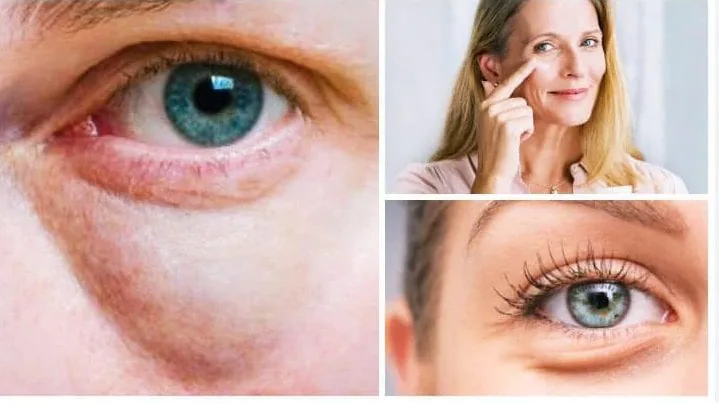
Under-eye swelling is a problem many people face, beyond just being an aesthetic concern. This condition generally occurs due to a variety of factors and, beyond aesthetic concerns, can sometimes be a sign of an underlying health issue. Swelling under the eyes is often caused by factors such as lack of sleep, stress, genetic factors, the aging process, insufficient fluid intake, and high salt consumption.
Under-eye swelling can occur due to many different causes. Here are the common causes of under-eye swelling:
- Lack of Sleep: Not getting enough sleep can cause the body to retain fluid overall, which can lead to swelling under the eyes.
- Genetic Factors: In people with a family history of under-eye bags or swelling, this condition can occur due to genetic factors.
- Aging: With the aging process, skin elasticity decreases, fat tissue can be lost, and the skin under the eyes thins. This can make under-eye bags and swelling more noticeable.
- Salt and Fluid Intake: High salt intake can lead to fluid retention in the body. This can increase swelling under the eyes.
- Allergies: Swelling in the under-eye area can occur due to allergic reactions. Exposure to allergens such as pollen, house dust, or pet dander can trigger this condition.
- Eye Surgery: Especially after surgical procedures on the eyelids, temporary under-eye swelling can be seen.
- Stress: Physical and emotional stress can activate the adrenal glands in the body, leading to swelling under the eyes.
- Smoking and Alcohol Use: Smoking and excessive alcohol consumption can reduce the skin's elasticity and speed up the formation of under-eye bags.
If under-eye swelling continues persistently and severely, or occurs together with other symptoms, it is important to consult a healthcare professional. A doctor's evaluation may be needed to determine the underlying cause and plan appropriate treatment.
What Disease Can Under-Eye Swelling Be a Sign Of?
Under-eye swelling is usually not a sign of a disease and can occur due to a variety of factors. However, in some cases, under-eye swelling can be a sign of more serious health problems. Here are some potential underlying health issues associated with under-eye swelling:
1. Thyroid Problems: Irregular functioning of the thyroid gland, especially hypothyroidism or hyperthyroidism, can cause under-eye swelling.
2. Kidney Problems: Kidney disease or kidney failure can lead to fluid buildup in the body, causing under-eye swelling.
3. Heart Failure: In heart failure, the circulatory system is affected, which can lead to fluid buildup in the body and under-eye swelling.
4. Anemia: Insufficient oxygen carried in the blood can cause anemia. In anemia, the skin can appear paler and the under-eye area can look more visibly swollen.
5. Alcohol and Smoking: Excessive alcohol consumption and smoking can reduce the skin's elasticity and speed up the formation of under-eye swelling.
6. Allergies: Allergic reactions can cause under-eye swelling. Exposure to allergens such as pollen, house dust, or pet dander can trigger this condition.
7. Dermatological Problems: Skin conditions, especially eczema or contact dermatitis, can lead to under-eye swelling.
8. Food Intolerances: Sensitivity or intolerance to certain foods can cause bloating and swelling.
If under-eye swelling continues persistently, changes suddenly, or occurs together with other symptoms, it is important to consult a healthcare professional. This may require a doctor's evaluation to determine the underlying health issue and plan appropriate treatment.
What Vitamin Deficiency Causes Under-Eye Swelling?
While under-eye swelling is not generally directly linked to a vitamin deficiency, in some cases vitamin deficiencies can indirectly contribute to the problem. Some factors related to vitamins associated with under-eye swelling include:
- Vitamin C (Ascorbic Acid): Vitamin C is an antioxidant that helps the skin rebuild itself in a healthy way. It can boost elasticity by supporting collagen production in the skin. A vitamin C deficiency can cause fine lines and under-eye bags to become more noticeable.
- Vitamin K: Vitamin K plays a role in blood clotting and vascular health. One of the causes of dark circles or purplish discoloration under the eyes can be weakened blood vessels. Vitamin K deficiency can trigger this issue.
- B Vitamins: Vitamin B5 (pantothenic acid) and vitamin B12 support skin health. A deficiency in these vitamins can lead to dryness, irritation, and signs of aging in the skin.
It is important to adopt a balanced diet to cope with under-eye swelling and improve skin health. However, if under-eye swelling is persistent and pronounced, or is associated with a serious health issue, it is recommended to consult an eye doctor or an eye hospital. In this case, it is important to determine the underlying health issue and plan appropriate treatment.
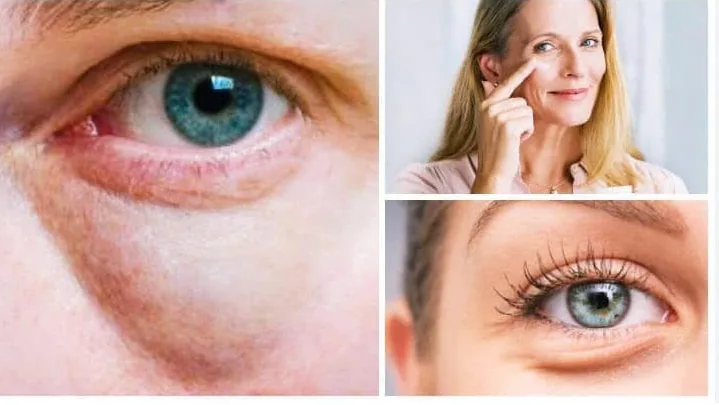
How Can We Get Rid of Under-Eye Bags?
There are several measures you can take to get rid of under-eye bags. However, given individual differences, the same methods may not work for everyone to achieve effective results. Here are some general strategies recommended to reduce or prevent under-eye bags:
- Adequate Sleep: Getting enough quality sleep can improve your overall health and the appearance of your skin. Developing a habit of 7 to 9 hours of sleep a night can help reduce under-eye bags.
- Water Intake: Drinking enough water can reduce puffiness by maintaining the skin's moisture balance. Try to drink at least 8 glasses of water a day.
- Balanced Nutrition: Adopting a healthy, balanced diet can support skin health. In particular, choosing foods rich in antioxidants can help keep your skin looking young and fresh.
- Cold Packs or a Cold Spoon: Applying cold packs or a cold spoon to the under-eye area can reduce puffiness by constricting the blood vessels. This method can ease a tired appearance in the mornings.
- Eye Masks: Using natural or store-bought eye masks can tighten the skin and ease under-eye bags.
- Under-Eye Cream: Using under-eye creams specially formulated for under-eye bags can moisturize the skin and improve its elasticity.
- Controlling Allergens: Checking your sensitivity to allergens and reducing exposure to them can lessen the effect of allergic reactions on under-eye bags.
- Limiting Smoking and Alcohol Use: Smoking and excessive alcohol consumption can speed up skin aging. For this reason, limiting these habits can have a positive effect on skin health.
If under-eye bags have become a persistent problem or occur together with other symptoms, it is recommended to see an eye doctor. These specialists can identify underlying health issues and recommend suitable treatment methods.
Kayseri İdeal Göz Clinic
İdealgöz Kayseri Hospital is a healthcare institution that values eye health, with an expert staff and modern technological facilities. They perform detailed examinations during eye exams using the latest technology equipment. İdealgöz Kayseri aims to protect and improve every individual's eye health, offering personalized treatment and consultation services with its expert physicians. You can book an eye exam appointment and experience healthy vision.
Kayseri İdeal Göz Clinic wishes you a speedy recovery. Take care of yourself...