









What Should an Eye Exam for Babies Look Like?
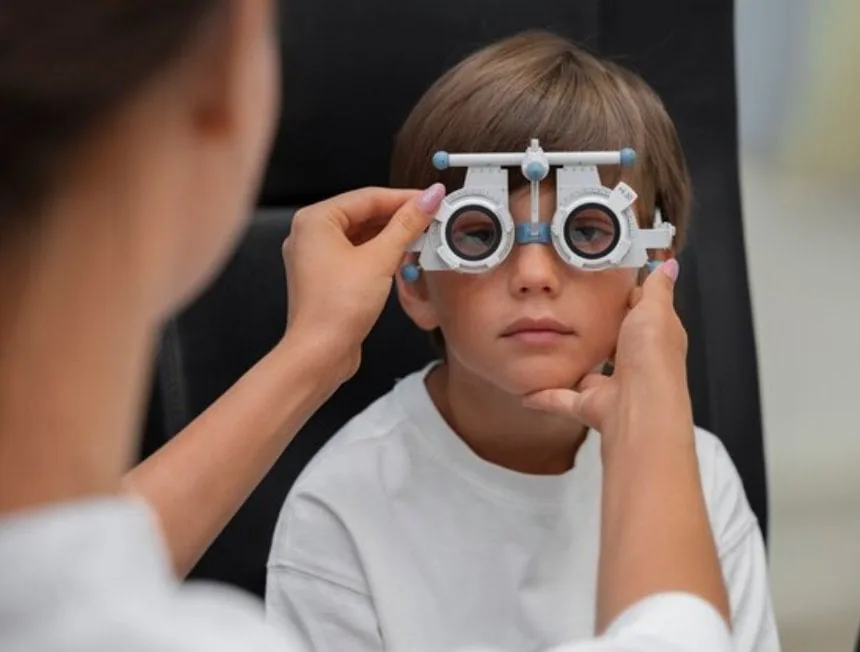
An eye exam for babies is usually performed by a pediatric ophthalmologist or eye doctor. This exam is important for assessing your baby's eye health. Here is some information you should know about your baby's eye exam:
Timing: Babies should usually have their first eye exam shortly after birth or within the first few months. After that, exams should be repeated at certain intervals. You can consult your eye doctor to find out the right schedule.
Choosing a Specialist: It is important to choose a pediatric eye doctor to examine your baby's eyes. These specialists focus on babies' eye health and have the knowledge and experience needed to provide the right care.
The Exam Process: Eye exams in babies are usually performed by an eye doctor at the clinic. During the exam, the doctor carefully examines the baby's eyes and eye movements. They may also assess reflexes, the eyes' ability to focus, and overall eye health.
Eyelids and Tear Ducts: The eyelids and tear ducts in babies are also part of the eye exam. The doctor can check the eyelids, tear ducts, and eye margins, and recommend treatment if there is any abnormality or blockage.
Newborn Screening: An eye exam for newborns can be done using a screening device, and it is also possible to shine a light into the baby's eyes to assess eye reflexes.
Eye exams in babies are important for early diagnosis and intervention. Don't forget to get detailed information from your doctor about the timing you need.
What Does an Eye Exam Check in Babies?
A number of factors are checked during a baby's eye exam. Here are some of the things the eye doctor will examine to assess your baby's eye health:
Eye Movement: The doctor checks whether the baby's eyes move normally. Abnormal eye movements can indicate a problem with eye muscle coordination or another eye health issue.
Eye Reflexes: The baby's eye reflexes are assessed. Eye reflexes are natural responses such as reacting to light or closing the eyes. These reflexes provide clues about the baby's vision and the health of the eye nerves.
Range of Eye Movement: The doctor checks whether the baby's eyes have a full range of motion. Restricted eye movement can indicate eye muscle problems or another eye issue.
Eyelids: The baby's eyelids are carefully examined by the doctor. Any abnormality, swelling, or drooping can indicate an eye health problem.
Tear Ducts: The doctor checks that the tear ducts are open and functioning properly. Blockages or other issues can affect tear flow and eye health.
General Eye Health: The doctor assesses the baby's eyes overall, looking in particular for signs of infection, inflammation, or other eye problems.
Your eye doctor may assess additional factors based on your baby's specific situation and needs. Eye exams are important for monitoring your baby's eye health, catching problems early, and providing appropriate treatment when needed.
How Can You Tell if a Baby Has an Eye Problem?
Signs of an eye problem in babies can sometimes be noticeable, but they are usually diagnosed through an eye exam. Here are some signs that may indicate an eye problem in babies:
Crossed or Wandering Eyes: If the baby's eyes are not properly aligned, or if one eye looks in a different direction from the other, this can be a sign of an eye problem such as strabismus.
Constant Blinking or Squinting: If the baby is constantly blinking or squinting, this can be a sign of eye discomfort or a problem.
Difficulty Tracking Objects: If the baby has trouble following objects, or keeps tilting their head to the side while tracking them, this can be a sign of a vision problem.
Excessive Sensitivity to Light: If the baby reacts excessively to light or keeps closing their eyes to shield them, this can also be a sign of an eye problem.
Redness or Irritation in the Eyes: If the baby's eyes are constantly red, irritated, or itchy, this can indicate an eye health problem.
These signs can indicate an eye problem, but a definite diagnosis is made through an exam by an eye doctor. It is important to get regular eye exams to monitor your baby's eye health and catch potential problems early. It is best to follow your eye doctor's recommendations.
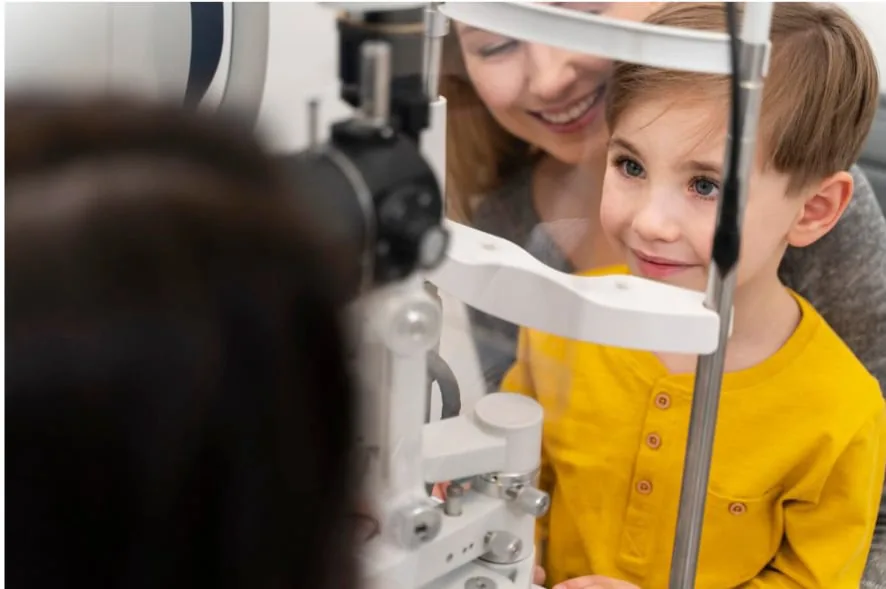
Eye Exams for Babies and İdeal Göz Clinic
An eye exam for babies is one that should be done shortly after birth or within the first few months. It is important for monitoring eye health and catching potential eye problems early. When choosing the ideal eye hospital, you may want to consider the following factors:
Expertise and Experience: Since babies' eye health requires special expertise, it is important for the eye hospital to have doctors experienced in pediatric ophthalmology. You can look into the doctors' training background, areas of expertise, and experience.
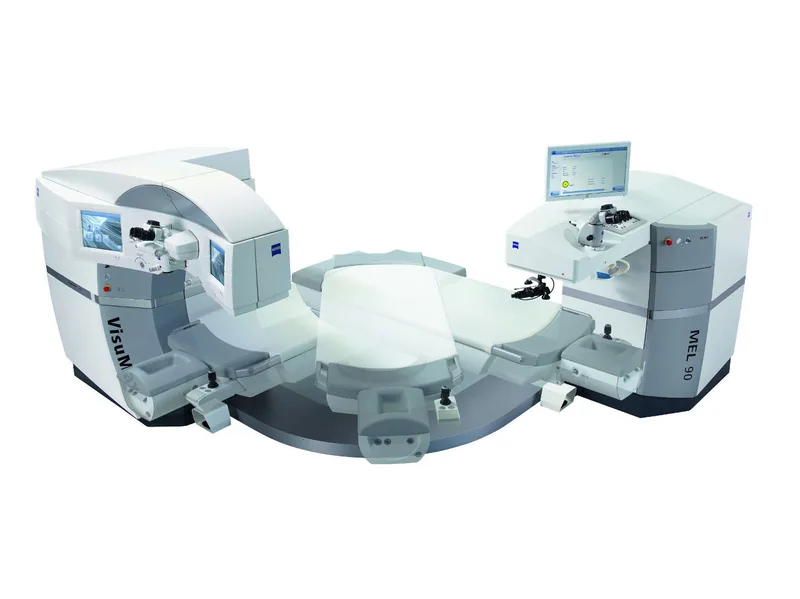
Technological Infrastructure: A good eye hospital can provide accurate diagnosis and treatment using the latest methods and equipment. It is important to choose a hospital with advanced diagnostic devices and treatment options.
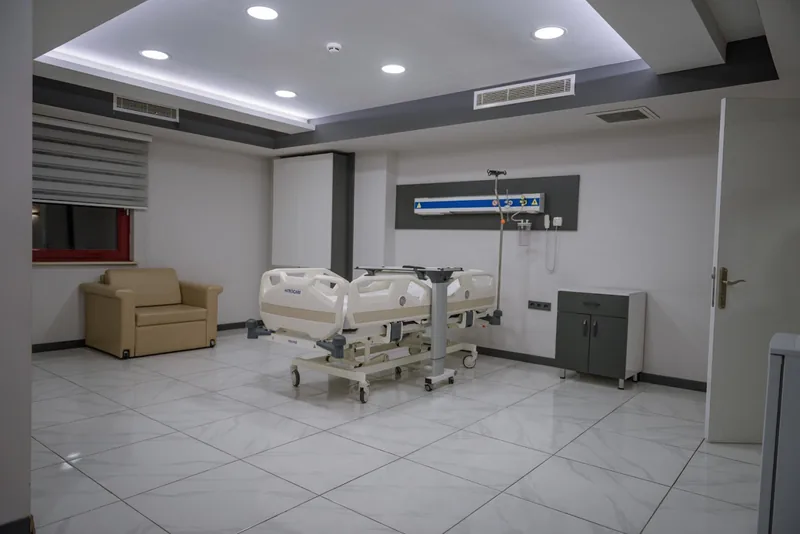
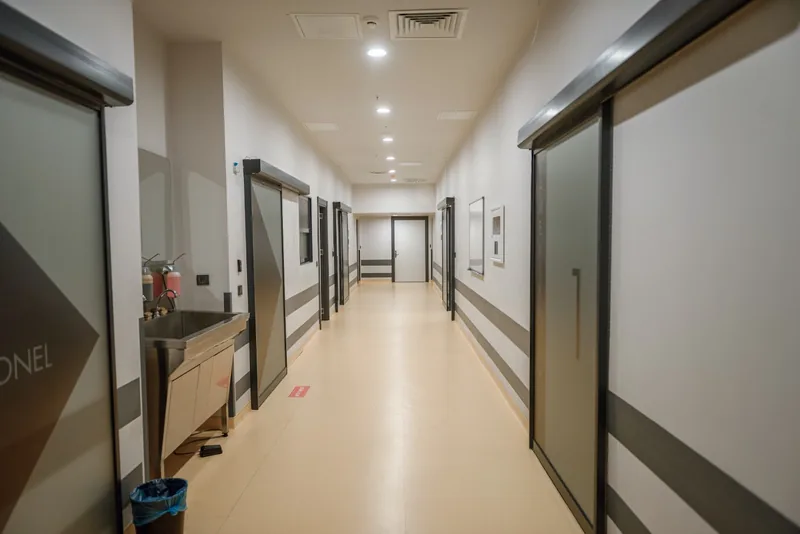
Child Friendly Environment: An eye hospital should have a suitable, comfortable environment for babies and children. Factors such as play areas and colorful, engaging designs that help babies and children feel at ease should be taken into consideration.
Patient experiences and reviews: When choosing a hospital, people's experiences and feedback matter. İdeal Göz Clinic is seen to receive positive reviews from patients and their families in this regard and is recommended. You can research patient reviews and ratings online.
Collaboration and communication: İdeal Göz Clinic aims to work in effective communication and collaboration with patients and their families, keeping families informed and supporting them throughout the necessary treatment process.
Of course, individual needs such as geographic location, ease of access, and the cost of services should also be considered. To choose a good eye hospital, it is important to take into account doctor recommendations, other families' experiences, and your own research.
Stay Healthy...