














What Causes Anisocoria?

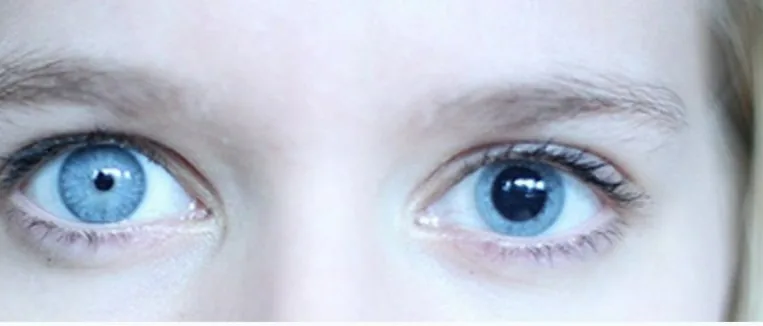
Anisocoria refers to a difference in pupil size between the two eyes. Normally, a person's pupils should be the same size, but in anisocoria, one pupil may appear larger or smaller than the other.
Anisocoria is defined as a difference in pupil size between the eyes. It can result from a variety of causes and often persists for life. Diagnosing and treating anisocoria requires an expert approach. Kayseri İdeal Göz Clinic has a team specialized in anisocoria cases and is equipped with the latest technology. Anisocoria is usually diagnosed by an ophthalmologist or eye surgeon. The underlying cause is determined through a comprehensive eye exam and review of the patient's medical history. At this stage, various tests may be performed, including intraocular pressure measurement, an eye pressure test, and a retinal exam.
Anisocoria can have various causes. Sometimes it is physiological (natural) and does not indicate any health problem, but at other times it can be a sign of a serious underlying medical condition. Here are some factors that can cause anisocoria:
- Natural Difference (Physiological): In some people, the pupils are naturally different sizes. This is usually harmless and does not indicate a health problem.
- Eye Injuries or Surgery: Anisocoria can develop after a traumatic eye event, such as an accident or surgical procedure.
- Eye Inflammation: Inflammation in the eye can affect the eye muscles and lead to anisocoria.
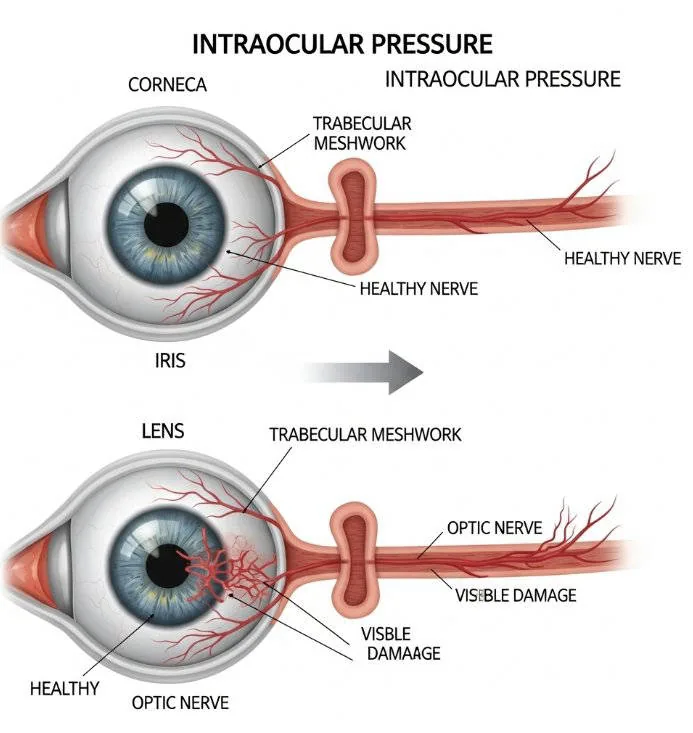
- Eye Pressure: High intraocular pressure can cause fluid imbalances within the eye, leading to anisocoria.
- Medications: Certain medications can affect pupil size and cause anisocoria.
- Nervous System Problems: Issues related to the brain and nervous system can cause anisocoria. This may include nerve compression or other brain-related complications.
When anisocoria is noticed, it is important to see an eye doctor to determine the underlying cause. The eye doctor can identify the cause of anisocoria through a detailed eye exam and, if needed, relevant imaging tests, and recommend the appropriate treatment.
Does Anisocoria Progress?
Anisocoria is usually a lifelong condition caused either by a natural difference or by another underlying cause. However, whether it progresses varies from case to case.
1. Physiological Cases: In many cases, anisocoria remains a natural difference and usually does not progress. Pupil size can differ due to various factors such as genetics, age, and sex.
2. Cases Linked to an Underlying Cause: Anisocoria can sometimes be a sign of an underlying health problem. If it results from another condition, such as an eye injury, elevated eye pressure, eye inflammation, or nervous system problems, it is likely to progress. Therefore, if the underlying health problem causing the anisocoria is not treated, the condition can worsen.
3. Cases Linked to a Treatable Cause: If anisocoria is caused by a treatable condition and treatment is started, it can improve. For example, if a particular medication is causing the anisocoria, changing the medication or adjusting the dose can resolve it.
Every case is different, so it is important to consult an eye doctor to determine whether the anisocoria is progressing. The eye doctor can identify the underlying cause and create an appropriate treatment plan, or determine that the condition is low risk and recommend regular follow up.
Does Anisocoria Go Away?
Whether anisocoria goes away depends on the underlying cause. In some cases it is temporary and resolves on its own. In others, it can be permanent.
Anisocoria can be temporary:
After an eye exam: Certain drops used by eye doctors can cause the pupils to be temporarily different sizes. This effect usually wears off within a few hours.
Certain medications: Some medications, such as those used to treat asthma, can affect pupil size if they come into contact with the eye. Anisocoria usually resolves once use of these medications stops.
Natural variation: In some people, the pupils are naturally slightly different sizes. This usually does not indicate any health problem.
Anisocoria can be permanent:
Horner's syndrome: This is a nervous system disorder that causes symptoms such as drooping eyelids, loss of sweating on one side of the face, and a smaller pupil. Anisocoria caused by Horner's syndrome is usually permanent.
Adie syndrome: This is a nervous system disorder that prevents the pupil from reacting normally to light. Anisocoria caused by Adie syndrome is usually permanent.
Eye injuries: An eye injury affecting the pupil or the nerves that control it can cause anisocoria. In this case, it can be permanent.
Congenital anomalies: Some people are born with a congenital anomaly in which the pupils are different sizes. In this case, anisocoria is permanent.
- If you have anisocoria:
- If the difference in your pupil size is new or has suddenly increased
If you have other symptoms along with the difference in pupil size, such as headache, blurred vision, double vision, or eye pain
If the difference in the size of your pupils worries you, it is important to see an eye doctor as soon as possible. Your doctor will diagnose the cause of anisocoria and recommend appropriate treatment.
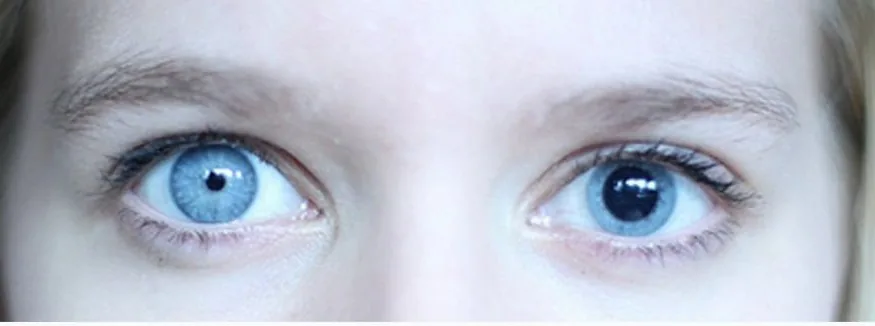
Kayseri İdeal Göz Clinic: Anisocoria Diagnosis and Treatment
Kayseri İdeal Göz Clinic is a leading healthcare institution serving eye health with its specialist staff and modern medical equipment. Anisocoria is a condition that refers to a difference in size between the pupils of the eyes, and the diagnosis and treatment of this condition require a high level of expertise. İdeal Göz Clinic has a team specialized in the diagnosis and treatment of anisocoria cases.
Diagnosis Stage:
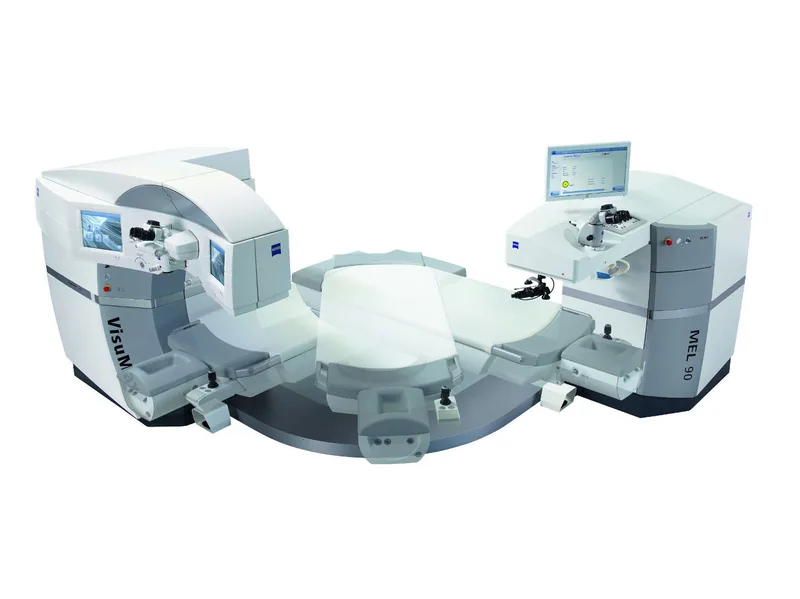
Anisocoria is usually diagnosed with a comprehensive eye exam performed by an eye doctor. The patient's pupil size is examined, light reactions are observed, and overall eye health is assessed. The patient's general health, current medications, and any past eye injuries are also taken into account. Kayseri İdeal Göz Clinic uses state of the art equipment to apply precise and effective methods for identifying anisocoria.
Treatment Options:
Anisocoria is usually not a primary condition but a sign of another underlying problem. For this reason, identifying the cause behind the anisocoria is important. Treatment varies depending on the underlying cause. For example, when conditions such as elevated eye pressure, eye inflammation, or nervous system problems are treated, the anisocoria usually resolves.
Kayseri İdeal Göz Clinic takes a multidisciplinary approach to treating anisocoria. Specialists create personalized treatment plans based on the patient's overall health. Throughout this process, the patient is kept informed and actively involved in treatment.
Kayseri İdeal Göz Clinic stands out in anisocoria diagnosis and treatment for its expert team, modern medical technology, and patient centered approach. This healthcare institution, known for offering fast, effective, and reliable solutions for any eye health need, is committed to providing patients with the best possible eye care. If you have concerns about anisocoria, Kayseri İdeal Göz Clinic may be the right place for you.
"Your eye health is safe at İdeal Göz Clinic. Let's address your concerns about anisocoria together. The best care for your eyes is here."
Kayseri İdeal Göz Clinic